
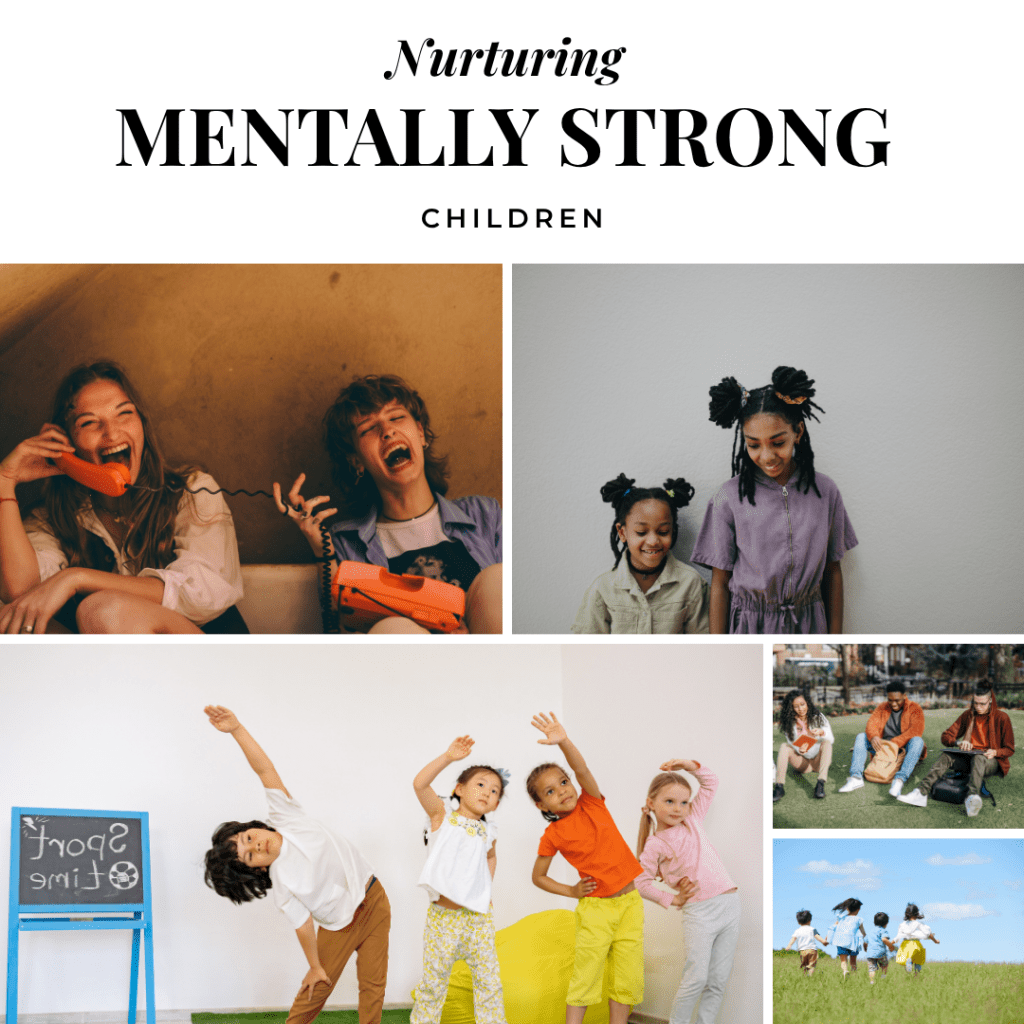
Being a teacher who has taught sport, amongst other subjects, I have noticed a few things that help children and young people become more mentally agile. These are not too hard to incorporate, and some parents might even find them fun!
Everything Negative – Pressure, Challenges – Is All an Opportunity for Me to Rise. – Kobe Bryant
At the moment, I teach sport activities to children between the ages of 3 and 6 years old. We do a mixture of activities that develop hand-eye coordination, foot-eye coordination, balancing and interpersonal skills.
Sometimes, I include games where there can only be one winner: a game where one team wins, and the other loses. We practise celebrating the achievements of both teams and congratulating the team that won.
When another teacher is available, we both become a member of each team either as a coach or a player.
The children in my class know I don’t like to lose. But in the instance when my team loses, they see me congratulating the winning team. I use it to model what it is like to be disappointed but still be happy for someone else. It’s important that children learn that you can feel two things: you can be sad for yourself, but also happy that someone else has got something to celebrate.
Sport gives children and young people the opportunity to be congratulated when their team succeeds and to congratulate when their team doesn’t.
This skill helps children and young people manage their own feelings and gives them the opportunity to transfer this skill and use it in real life situations. There’s already so many envious people in the world today. It’s time to start fostering a different type of people.
Talent Without Working Hard Is Nothing. – Cristiano Ronaldo
‘I always beat my dad at chess.’
A 4-year-old told me this. Now, although chess might not be a sport (some might argue against this), the principle of this is clear.
Parents, let your child loose.
Some young people and even young adults find it hard when they don’t always get top marks or grades in every subject. They think everything has to go their way, and they sadly go into their shell when things don’t work the way they pictured. They didn’t have the opportunity to practise failing.
I have worked with countless students and pupils who simply don’t have the agility to work hard when they don’t ‘win’ at the first try. They link winning and their self-worth together. But it doesn’t have to be that way.
Winning Isn’t Always Championships. – Michael Jordan
Sport teaches children and young people to separate the two things. It helps them understand that it’s okay if you don’t win every game because you are not defined by what you do but by who you are.
I often remind my pupils that even the best players don’t win every game.
Play basketball with your children. Play tennis with your children. Play golf with your children. But parents, let your child loose.
You Learn From Your Mistakes. – Thierry Henry
Losing in a safe environment means the child or young person has got the safe space to work on how they feel at the time and build mental strength so that they can transfer these skills to other life situations too.
If You Can Bring Out the Best in People, the Success Will Follow. – Dawn Staley
We don’t know what the world will look like in the next 20 years. We don’t know which jobs will be created and which jobs might not exist anymore. Nurturing mentally strong children will help them to pivot as the industries evolve. Applying these tips will help your children to be prepared for the world of the future.
Title: Nurturing Mentally Strong Children Final
Author: Leonie Thomas
Date Published: 31.03.2026
 Leonie Thomas